Understanding Drag Racing Events
What are Drag Racing Events?
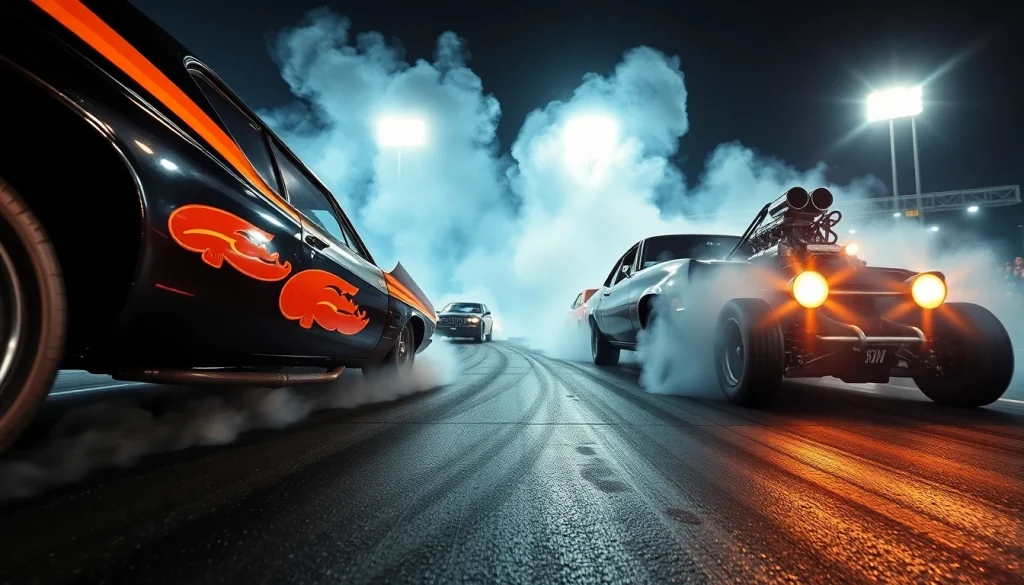
Drag racing events are high-adrenaline competitions where two vehicles race down a straight quarter-mile track, starting from a static position. Each vehicle seeks to achieve the shortest time possible to cross the finish line, with races typically featuring two competitors at a time. These events are highly regulated and organized, often conducted by official racing associations. The thrill of drag racing lies in its speed, precision, and the engineering marvels behind the vehicles that compete. Whether you’re a racer or a spectator, drag racing offers an exhilarating experience that captivates audiences across the globe. For more detailed discussions about various Drag Racing Events, you can check forums and discussions online.
The History and Evolution of Drag Racing
Drag racing has roots dating back to the early 20th century, when car enthusiasts would challenge each other to races on deserted roads and airstrips. This informal racing evolved into a structured sport with the establishment of the National Hot Rod Association (NHRA) in 1951, promoting safety and organization within events. Over the years, drag racing has embraced technology, with innovations in vehicle design, aerodynamics, and fuel efficiency leading to unprecedented speeds and competitive categories. The sport has grown to include various formats, such as bracket racing, heads-up racing, and pro racing categories, each with unique sets of rules and challenges.
Key Components of a Drag Racing Event
A well-executed drag racing event encompasses several critical components that ensure safety, competition, and entertainment:
- Track Setup: The racing surface must be meticulously prepared to provide the best traction for vehicles, often consisting of a specially treated strip of asphalt or concrete.
- Timing Equipment: Sophisticated electronic systems are employed to measure speed and elapsed time, with starting lights indicating the start of each race.
- Safety Measures: Each event adheres to strict safety protocols, including barriers, fire containment measures, and emergency response teams on standby.
- Vehicle Classes: Different categories of competition allow for various types of vehicles, from stock cars to highly modified dragsters, ensuring a diverse racing experience.
- Spectator Zones: Designated areas for fans provide viewing access, with amenities such as concessions, merchandise booths, and hospitality suites enhancing the spectator experience.
Major Drag Racing Organizations
NHRA: The National Hot Rod Association
The NHRA stands as the premier governing body for drag racing in the United States, organizing major events that attract thousands of spectators and participants. The organization oversees various racing series, such as the Countdown to the Championship, featuring top-tier professional categories including Top Fuel, Funny Car, and Pro Stock. NHRA events are renowned for their family-friendly atmosphere, live entertainment, and comprehensive fan engagement, including meet-and-greet opportunities with drivers and team members.
IHRA: International Hot Rod Association
The IHRA provides an alternative to the NHRA, emphasizing grassroots racing and regional events. Founded in 1970, it aims to promote safety and accessibility for amateur racers while maintaining competitive standards. The IHRA features a combination of professional and sportsman classes across multiple tracks in the U.S. and Canada. Its focus on affordability and participation encourages enthusiasts to get involved in the sport, making it a popular choice for local competitors.
Regional Racing Bodies and Their Impact
Beyond national organizations, numerous regional racing bodies contribute to the drag racing ecosystem. These bodies often host local events that pave the way for aspiring racers. They play a pivotal role in fostering community engagement, innovation, and skill development within the sport. Events hosted by local tracks provide essential experience for both competitors and crew members, serving as training grounds for future stars in the racing world.
How to Participate in Drag Racing Events
Finding Events in Your Area
For racing enthusiasts looking to participate, finding local events is the first step. Websites like NHRA and local drag racing tracks often provide schedules of upcoming races. Social media platforms and racing forums also serve as valuable resources for discovering events tailored to specific interests—whether it’s street racing, bracket racing, or fully sanctioned drag racing competitions.
Registration and Entry Process
The registration process for drag racing events varies based on the event’s stature and organization. Most events require participants to complete an entry form, which may include detailing vehicle specifications, driver information, and payment of entry fees. Additionally, participants may need to present proof of proper licenses and vehicle inspections to ensure compliance with safety regulations. Some events might even host a tech inspection day preceding the race to evaluate cars for eligibility.
What to Expect as a First-Time Racer
As a first-time racer, the prospect of competing can be both exhilarating and daunting. It’s essential to arrive early to partake in the driver’s meeting, where rules, safety protocols, and race day logistics are discussed. Understanding the staging process is crucial; racers must position their vehicles correctly at the starting line. Engaging with experienced racers and officials can provide valuable insights, reducing anxiety and enhancing the overall racing experience.
Preparing for a Successful Race
Vehicle Modification Tips for Drag Racing
To maximize performance on the track, vehicle modifications are often necessary. Here are some essential tips for drag racing preparations:
- Engine Tuning: Fine-tuning the engine for optimal horsepower and torque is critical. Upgrades such as high-performance carburetors, headers, and exhaust systems can significantly enhance power delivery.
- Weight Reduction: Reducing vehicle weight through lightweight materials, removing unnecessary components, or adding a fiberglass body can improve acceleration.
- Tire Selection: Drag-specific tires provide the necessary grip for maximum launch and acceleration. Choosing the right tires for the vehicle’s weight and power requirements is essential.
- Suspension Upgrade: Installing performance shocks, struts, and control arms can improve stability during launch, essential for achieving straight and fast runs.
The Importance of Safety Gear
Safety gear is non-negotiable in drag racing. Essential items include:
- Helmet: A certified helmet meeting safety standards is mandatory, with full-face options providing optimal protection.
- Racing Suit: Flame-resistant suits help protect drivers from fire hazards in case of a crash or malfunction.
- Gloves and Shoes: Specialized gloves enhance grip on the steering wheel, while fire-resistant shoes protect against burns.
- Safety Harness: A racing harness keeps drivers secure in their seats, integral during high-speed maneuvers and accidents.
Pre-Race Checklist for Competitors
Having a well-rounded pre-race checklist can prevent issues on the day of the event. Key items to include are:
- Ensure all safety gear is packed and in good condition.
- Conduct a thorough vehicle inspection, checking the brakes, tires, fluid levels, and battery.
- Gather all necessary documents, including registration proof, driver’s license, and insurance papers.
- Arrive at the venue early to allow sufficient time for check-in and warm-up.
Experiencing Drag Racing Events as a Spectator
Best Practices for Attending Drag Racing Events
To fully enjoy a drag racing event as a spectator, consider these best practices:
- Arrive Early: Getting to the event early allows for optimal parking and time to explore vendor booths and facilities.
- Bring Essential Gear: Sunscreen, ear protection, and comfortable seating can enhance the viewing experience, as events can last several hours.
- Explore the Pits: Visiting the pit area provides a rare glimpse into the behind-the-scenes activities, showing how teams prepare vehicles for competition.
- Plan for Weather: Being prepared for varying weather conditions can ensure a comfortable experience throughout the day.
Understanding Race Formats and Classifications
Drag racing events feature various formats and classifications that cater to a wide range of competitors, including:
- Heads-Up Racing: Both competitors race simultaneously with no handicaps, emphasizing raw speed.
- Bracket Racing: Races are paired with both vehicles starting at a predetermined time allowance, leveling the playing field regardless of vehicle performance.
- Top Eliminator Classes: This is where the best of the best compete, often featuring highly modified vehicles capable of incredible speeds.
How to Get the Most Out of Your Drag Racing Experience
To enhance your overall experience at drag racing events:
- Engage with the Community: Connecting with fellow fans and participants fosters a greater appreciation for the sport and often provides learning opportunities.
- Follow Your Favorite Drivers: Keeping up with driver performance and team news can enhance the excitement level.
- Capture the Moments: Bring a camera or use your smartphone to document the experience, capturing not just the action but also the atmosphere surrounding the event.